Double Ball Check Valve: Your Ultimate Guide
The double ball check valve is recognized as a high-performance solution for stopping reverse flows. It improves sealing reliability across multiple piping and pump system layouts. With a two-ball design, it provides strong sealing performance that limits backflow. It also protects pumps from potentially harmful water hammer and surge pressure events.
Operating autonomously, barbed check valve allow fluid movement in one direction and automatically close to prevent backflow once the pump ceases. Across municipal, water, wastewater, and industrial systems, picking the correct fluid control valve can result in notable energy savings. These gains occur by reducing head loss, which in turn lowers overall maintenance and energy expenses. Overall cost of ownership factors in upfront purchase price, installation, long-term energy consumption, and maintenance, balanced with the valve’s effectiveness at safeguarding key equipment.
This guide offers an in-depth comparison of different check valve types and explains the construction and advantages of double ball valves. It offers insights on choosing, installing, and maintaining these valves effectively for U.S. consumers. Future discussions will touch upon standards like ANSI and UPC, also highlighting options for small-line configurations. Terms such as 3/8 compression check valve, 3/8 barbed check valve, and ASSE 1032 will be explored. The guide additionally addresses wholesale buyers and distributors—such as Installation Parts Supply—within the sourcing section.
Core Points
- Double ball check valve improves sealing and reliability compared with many single-ball designs.
- Check valves help protect pumps and piping by blocking reverse flow and pressure surges.
- Valve selection affects energy use and total cost of ownership in water and industrial systems.
- Standards like ANSI and UPC guide sizing and performance for U.S. installations.
- Small-line options including 3/8 barbed check valves and ASSE 1032 components are widely used in low-flow applications.
Understanding Check Valve Types and the Role of Double Ball Designs
Check valves play a crucial role in stopping backflow in pumping systems. They fall into broad categories like lift, swing, and dashpot-assisted, with each type serving specific needs in water and wastewater management. The double ball design presents an interesting option that blends several characteristics to support efficient operation. This discussion aims to clarify how various check valves—including the double ball design—function.
Overview of Common Check Valve Categories
You’ll find lift check valves in formats like ball checks, silent checks, and nozzle-type designs. These designs, known for simplicity and cost-effectiveness, perform especially well in small-scale applications. A distinguishing feature is that they lack external moving parts, a benefit when used with smaller pumps. Conversely, swing check valves are suited for larger pipelines, providing benefits like minimal head loss and customizable features for extensive systems.
In dashpot-assisted check valves, an oil dashpot moderates the closing action to help control water hammer. This design element brings about a controlled, gentle closure that supports longer system life and better performance.
Ball Check Valve Operation and Advantages of the Ball Concept
Ball check valves function through the movement of a ball which lifts to permit flow and seats to prevent backflow. The design is naturally self-cleaning because the ball’s movement across the seat wipes away debris, a notable advantage in wastewater applications. Additionally, full bore designs typically exhibit reduced head loss and are easier to maintain, particularly when configured with top access.
Double Ball vs Single Ball and Other Check Valve Types
Single-ball designs are popular in small pumps and wastewater applications because of their compact footprint and strong self-cleaning action. That said, in high-head or parallel pump systems, the momentum of the ball can lead single-ball designs to slam. The double ball variety addresses these issues by maintaining the advantages of single-ball designs, such as compactness and full bore flow, while enhancing sealing and reliability through its dual-seal system.
| Characteristic | Lift Type (Ball / Nozzle / Silent) | Swing Type | Dashpot-Assisted Type | Double Ball |
|---|---|---|---|---|
| Typical use | Small pumps and wastewater duties | Large mains where low head loss is needed | Pumped systems requiring controlled closing behavior | Small–medium discharge lines needing redundant sealing |
| Non-slam Behavior | Variable; nozzle and silent have good non-slam characteristics | May slam unless equipped with anti-slam accessories | Excellent; engineered closure time of around 1–5 seconds | Better than single-ball; staged closing action helps cut slam risk |
| Head loss | Full bore units offer low loss; smaller seat designs see higher loss | Extremely low at full open position | Low under flow, with controlled closure adding surge protection | Head loss remains low in full bore double ball options |
| Sealing and Reliability | Straightforward sealing; some models lack clear open/close indication | Proven sealing performance; often supports visual indicators | Provides good sealing together with controlled motion | Redundant dual sealing increases resistance to leakage |
| Maintenance Needs | Low; self-cleaning design helps when handling solids | Routine hinge or seat checks | Dashpot service required | Low to moderate; dual seats can be serviced top-side |
| Ratings and Markings | Marked by PN, PSI, CWP, SWP for selection | Frequently offered in AWWA or ANSI compliant options | Specified for system pressure and dashpot sizing | Available to match CWP/SWP and pressure classes |
The selection of a check valve is driven by fluid properties, flow characteristics, and total cost factors. For raw wastewater, ball check valves stand out due to their inherent self-cleaning behavior. For larger systems, swing check valves are widely used as they combine efficiency with AWWA and ANSI compliance.
When you compare double ball designs with single ball types, key differences appear. The double ball configuration delivers stronger sealing and lowers slam risk, making it suitable for compact systems. Against other models, it offers quicker closure without sacrificing seal integrity.
For any industrial valve specification, carefully reviewing material capabilities, pressure markings, and relevant certifications is critical. Doing so ensures the chosen valve is suited to the operational demands of the target application.
Double Ball Check Valve
The double ball check valve employs two balls within a single housing for staged sealing and smooth flow. Here we highlight the main components, performance characteristics, typical applications, and standards for this valve. It aims to assist users in selecting the appropriate high-performance valve.
Definition of a Double Ball Check Valve and Key Components
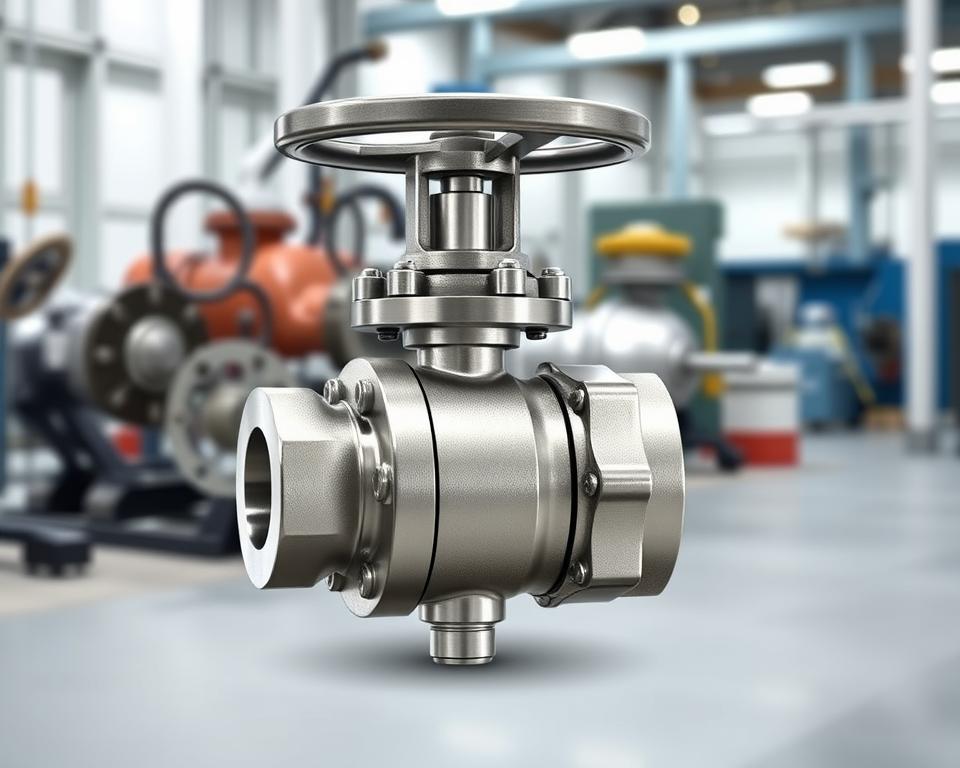
A double ball check valve is a lift-style valve that incorporates two balls in a single body to improve sealing. Core parts include the body, balls, seats, a guide or cage, and optionally springs to assist movement. Depending on the application requirements, the seats may be resilient elastomer or metal. The material of the valve body varies from brass and PVC for light-duty use to stainless steel and bronze for heavy-duty applications. Some models allow easy maintenance access from the top.
Performance characteristics and benefits
The valve’s redundant sealing reduces leakage risks compared to single-seat variants. The dual-ball arrangement helps control water hammer, giving non-slam characteristics across various setups. When properly sized to minimize blockages, it ensures low head loss and efficient performance. As a result, energy costs can drop in systems where flow resistance is significant.
The balls generally roll across the seats, promoting self-cleaning in lines that carry wastewater or solids. Owing to its straightforward design and minimal moving parts, the valve is compact and relatively low-maintenance. While generally high-performing, it may not always be as silent as some nozzle check valves depending on the installation.
Typical Applications and Industries Served
You’ll commonly find this valve in pump discharge lines, municipal/industrial wastewater operations, and OEM equipment. Within plumbing and HVAC systems, specific versions such as barbed check valves are favored because of their connection options. Food and beverage as well as chemical sectors frequently use stainless steel or sanitary models that meet industry standards.
Industries such as municipal services, building management, manufacturing, and food production benefit from using this valve. They favor the valve for its space efficiency, cost-effectiveness, reliable seal, and low maintenance requirements.
Sizing, pressure ratings and standards
Choosing the correct size is essential to match pump discharge rates and maintain optimal flow velocities. Always refer to manufacturer specifications to understand head loss and performance characteristics. For smaller lines, 3/8 inch sizes with barbed or compression fittings are available for various hose applications.
Rating schemes include PSI and PN classes plus CWP and SWP tags that reflect temperature variations. Compliance with asse 1032 is advised for backflow prevention in plumbing and commercial use. Additional standards such as ANSI, UPC, and UL support general compliance, while AWWA guidelines apply to larger water or wastewater systems.
| Parameter | Typical Options | Selection Guidance |
|---|---|---|
| Body material | Bronze, brass, PVC, stainless steel | Select based on chemical compatibility and pressure requirements |
| Core components | Balls, seats, guide or cage, optional springs | Pick resilient seats for tight sealing; choose metal seats where abrasion is a concern |
| Connection Types | Threaded, flanged, wafer, 3/8 barb check valve, barbed check valve | Select according to the piping or tubing arrangement |
| Key Performance Features | Reliable sealing mechanism, non-slam characteristics, low head loss | Best where pump discharge protection and energy savings are priorities |
| Relevant Standards | ASSE 1032 plus ANSI, UPC, UL, AWWA where applicable | Used to satisfy requirements in plumbing, commercial, and municipal installations |
| Pressure & Temperature Ratings | PSI rating, PN class, CWP, SWP | Verify against the actual operating conditions of your system |
How to Select and Install for Reliable Double Ball Check Valve Operation
Selecting the ideal industrial valve requires understanding several key criteria. Start by evaluating the fluid for solids content, abrasiveness, and possible chemical reactions to determine suitable materials. Analyze Kv/Kvs or flow coefficients to predict potential head loss and its impact on energy usage. Think carefully about anti-slam characteristics for systems with frequent starts or noticeable pressure spikes. In your evaluation, include total ownership costs, covering purchase price, installation needs, support structures, and ongoing upkeep.
Key Selection Factors
Match your valve selection to the characteristics of the media and the operating conditions. In drinking water applications, ensure the valve complies with ASSE 1032 and ANSI/UPC/UL standards while meeting PSI requirements. When handling treated water or sewage, ball check valves can work well; however, untreated sewage with solids may need other valve designs. Verify flow rates so you avoid selecting oversized valves that chatter or never fully open. Study the closing behavior listed in manufacturer documentation to prevent slam problems.
Best Practices for Installation
To avoid common check valve issues, follow well-established installation techniques. Provide adequate straight pipe runs both before and after the valve; even small valves need 3–5 pipe diameters of straight run upstream. Plan sufficient space for the valve, including installation clearance and supports, especially for heavier models. For small-line check valve applications with barbed fittings, fully insert hoses and secure them with clamps.
Practical Checklist for Small-Line Fittings
- During 3/8 compression check valve installation, follow recommended torque values to avoid distortion and leaks.
- When fitting a barbed check valve, select appropriate hose materials and clamp sizes suited for a 3/8-inch profile.
- Confirm the indicated flow direction on lift-style ball check valves so they align with system flow and any gravity-based arrangements.
How to Avoid Common Problems
Slam and chattering are among the most common valve problems. Address slam by incorporating spring-assisted closures, dashpot systems, or by tuning pump speeds with a VFD. Prevent chattering by maintaining flow velocities within recommended ranges and choosing valves that are properly sized. Regularly check for leaks or wear by listening for unusual sounds and planning preventative maintenance. To avoid jamming, maintain a clear flow path, something ball-style valves often handle effectively.
Service Notes on Small-Line Variants
Diverse options exist for small-line check valves, including various 3/8 inch models. Compression types offer secure seals for critical applications like instrumentation, heating/cooling systems, and beverage lines. Barbed types allow rapid hose hookups but must be clamped correctly and checked regularly for leaks. For backflow prevention or potable applications, ensure the valve meets ASSE 1032 standards.
Planning for Maintenance and Operation
Effective maintenance schedules and operational oversight can minimize lifetime expenses. Select thread sealants or gaskets that are compatible with your system’s materials and handled fluids. Provide straightforward access to inline valves for maintenance and document their locations and support details for future reference. This approach helps reduce frequent problems and promotes longer service life for both small and large valve installations.
Maintenance, troubleshooting, and sourcing for wholesale purchasers
Consistent maintenance of double ball check valves helps ensure smooth system operation. A maintenance plan should include both visual checks and detailed inspections. Documenting all findings is crucial. This documentation helps identify patterns of wear or blockages that can point to design or operational flaws.
Routine Tasks for Inspection and Maintenance
Begin by visually inspecting for leaks, corrosion, and external damage. Use a stethoscope or similar tool to listen for internal leaks, particularly when pumps are shut down. Ensure the valve fully opens with flow and monitor for any abnormal vibrations or sounds.
Examine the top access port of lift-style and double-ball valves for any wear or damage. Replace eroded rubber-coated balls and worn seats as needed. On smaller valves, check clamp and ferrule condition, and change out tubing that shows swelling or chemical damage.
Set maintenance frequency according to how the system operates and how often it cycles. High-solid systems like wastewater need more attention than cleaner water systems. Keep track of usage for spring-assisted valves to manage wear and schedule replacements efficiently.
How to Troubleshoot Common Failures
Leaks through closed valves usually stem from seat erosion, debris blockages, or degraded seals. Disassemble the valve, clean internals, and replace faulty components to restore proper sealing.
Valve slam or excessive noise upon pump shutoff usually stems from rapid deceleration. Use dashpots, spring assists, or surge control devices and adjust pump controls as needed to mitigate these problems and protect the system.
Chattering and failure to fully open can indicate sizing errors or incorrect flow rates. Verify actual flow against the manufacturer’s specified operating range. Resizing the valve or adjusting the pump setup may be required to correct mismatches.
Sticking or jammed balls often result from debris accumulation or improper component spacing. To prevent recurrence, perform line flushes, clean internal parts, and install strainers where needed.
Wholesale Buying Guide and Sourcing Options
Key purchase considerations for double ball check valves are size, material choice, pressure rating, and end connection type. Ensure valves meet ASSE 1032 standards and request Kv/Kvs ratings. Inquire about installation requirements and access ease for future maintenance.
Look at overall cost instead of only comparing unit prices. Factor in installation, spare parts, and ongoing maintenance estimates in your budget. For critical applications, obtain pilot samples for testing and negotiate support and spare parts in your volume agreements.
| Key Need | What to Request | Why it matters |
|---|---|---|
| Size & Connections | Nominal valve size and whether ends are flanged, threaded, wafer, or barbed | Ensures proper fit and reduces installation rework |
| Performance data | Kv/Kvs values, closing time, and expected cycle life | Helps to avoid chattering and valve slam at actual operating flows |
| Materials & Ratings | PSI/PN, CWP/SWP, temperature limits | Matches media and avoids seat erosion or chemical damage |
| Compliance | ASSE 1032, ANSI, and AWWA certifications where applicable | Required for regulatory and sanitary applications |
| Service & spares | Repair kits, aftermarket parts, lead times | Reduces downtime and cost of ownership |
| Supplier Choice | Installation Parts Supply or large industrial valve distributor | Gives access to wholesale pricing, technical datasheets, and expert support |
You may want to use Installation Parts Supply for both competitive pricing and technical assistance. Seek out valve distributors and manufacturers known for high-performance products and validated testing. Ask for explicit confirmation that products comply with standards such as ASSE 1032 to ensure compatibility and serviceability.
Final Thoughts
To conclude, the Double Ball Check Valve provides a compact, lift-style option. It offers redundant sealing and a self-cleaning feature. Ideal for small to medium-line systems, it shines in applications demanding a reliable seal and minimal upkeep. Compared with many single-ball options, the design significantly cuts backflow and minimizes seat wear.
In valve selection, be sure to match material and size to fluid properties and flow conditions. Factor in head loss, energy consumption, and non-slam behavior. Compliance with standards such as ASSE 1032, ANSI, and AWWA is also essential. Sizing correctly and observing pressure/temperature ratings (PSI, PN, CWP, SWP) help ensure optimal performance.
Long-term valve functionality is heavily affected by installation quality and maintenance. By following manufacturer guidelines for installation and scheduling regular inspections, you can prevent common issues like seat erosion. For bulk orders, consider contacting Installation Parts Supply. This supplier offers competitive pricing, thorough datasheets, and expert guidance so products meet all necessary certifications.
Ultimately, you should thoughtfully weigh costs, maintenance, and surge protection in any valve choice. Deciding between double ball, single ball, swing, nozzle, or dashpot-assisted valves affects lifecycle expenses and equipment safety. By choosing the correct model, you can secure the operational advantages and reliable sealing performance of advanced fluid control valves.